

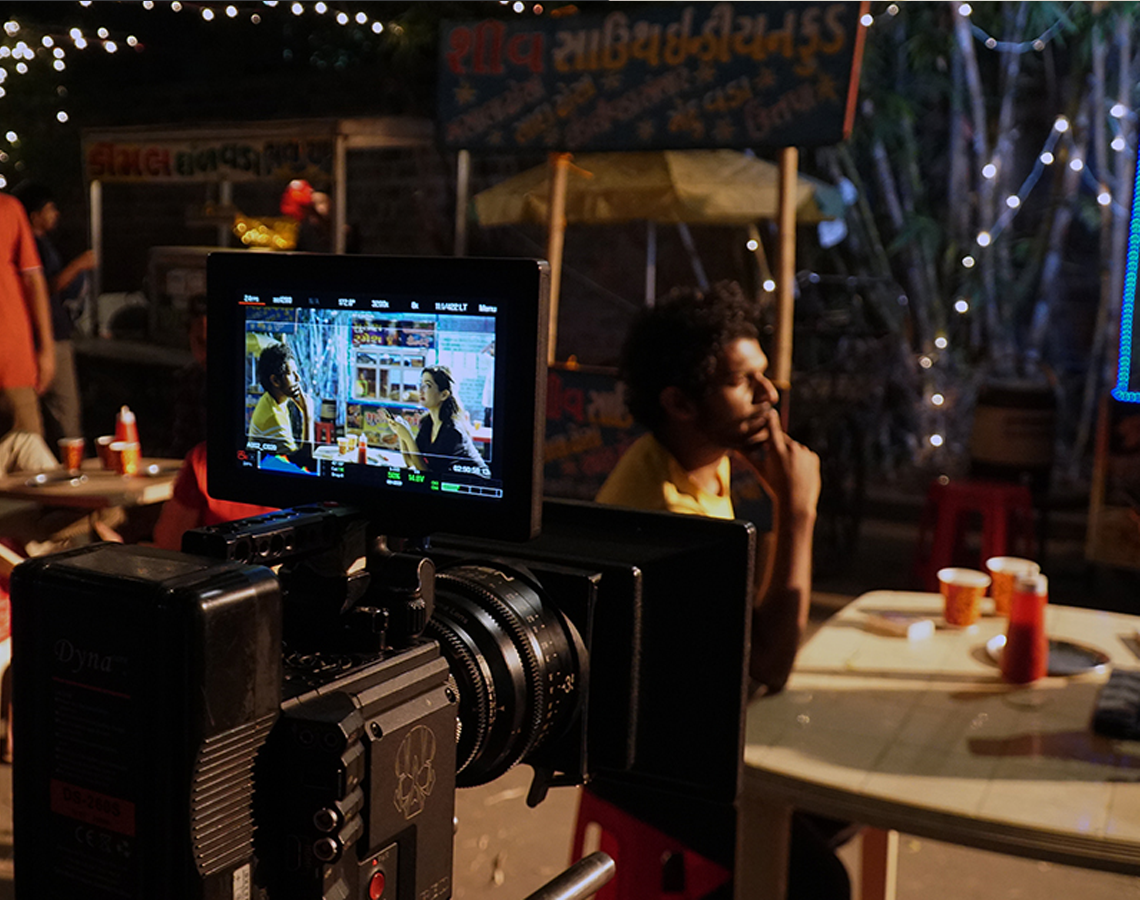
Video and television programs are both forms of media that involve the visual and auditory presentation of content, but they differ in terms of their production, distribution, and consumption.
In a production house, video and television program creation are essential activities, involving a combination of creativity, technical skills, and production processes.
Video content is created using cameras and other recording equipment. It can be recorded in various formats, including on film, digital cameras, or smartphones.
A television program is a type of video content that is created and broadcast to a wide audience through television networks. These programs can be pre-recorded or broadcast live and often follow a schedule for regular airing.
A video and television programme production house is an organization that focuses on the creation, development, and production of television shows, movies, and videos. It involves multiple stages, from pre-production to post-production, and requires a team of creative professionals, technicians, and administrators. Here's an overview of how a production house typically operates:
This is the planning stage where all the groundwork for the programme is laid out. It includes:
Concept Development: A unique idea for a programme or series is conceptualized.
Scriptwriting: A team of writers develops a script, outlining the dialogue, plot, and structure.
Casting: Actors and performers are selected for different roles.
Budgeting and Scheduling: The financial plan for the programme is created, along with a timeline for production.
Location Scouting: Identifying and selecting locations where filming will take place.
Crew Hiring: The production house hires a range of professionals such as directors, cinematographers, sound engineers, costume designers, etc.
This is the stage where the actual filming or recording takes place. It includes:
Set Construction: Creating physical sets or choosing suitable locations.
Filming: Directors and camera crews shoot the footage.
Sound and Lighting: Sound engineers ensure proper acoustics while lighting technicians manage the lighting.
Directorial Oversight: Directors oversee performances, ensuring that the actors and crew are following the vision of the programme.
Production Assistance: Other roles such as assistant directors, script supervisors, and production assistants ensure smooth operation on set.
After filming is completed, the footage goes into post-production, which involves:
Editing: Editors cut, arrange, and assemble the video footage into a coherent narrative.
Sound Mixing and Foley: Adding sound effects, voiceovers, and music to the film to enhance the viewing experience.
Visual Effects (VFX): Special effects are added to the footage if needed. Color Correction: Ensuring the visuals look polished and consistent.
Final Approval: Once editing is complete, the final version of the programme is reviewed by producers and directors before it is finalized.
After the final product is ready, the programme is distributed and broadcast through:
Television Networks: The programme might be aired on a television channel or network.
Streaming Platforms: For digital distribution, streaming services like Netflix, Amazon Prime, or YouTube may pick up the programme.
DVD or Blu-Ray: Physical copies can be produced for sale or rental.
Here are some key roles within a video/television programme production house:
Producer: Oversees the overall production, managing finances and ensuring everything runs smoothly.
Director: Responsible for the creative vision of the programme and working with the actors and crew.
Writer: Creates the script, dialogue, and storyline.
Cinematographer/Director of Photography (DoP): Responsible for the visual look and feel of the show, particularly the camera work and lighting.
Editor: Manages the editing of footage and works to ensure the final product is polished.
Sound Engineer: Manages sound recording, mixing, and ensuring high audio quality.
Production Assistant: Supports various departments and helps maintain the flow of operations.
Types of Programs Produced
Television Series: Drama, comedy, reality shows, talk shows, etc.
Movies: Feature films for cinemas or television broadcasts.
Documentaries: Informative and investigative pieces.
Commercials and Advertisements: Short-form videos created for advertising products or services.
Music Videos: Produced for musicians to visually represent their songs.
© 2024 A.R. & S.S.PRODUCTION HOUSE. All rights reserved. Developed By Genoviq Web