
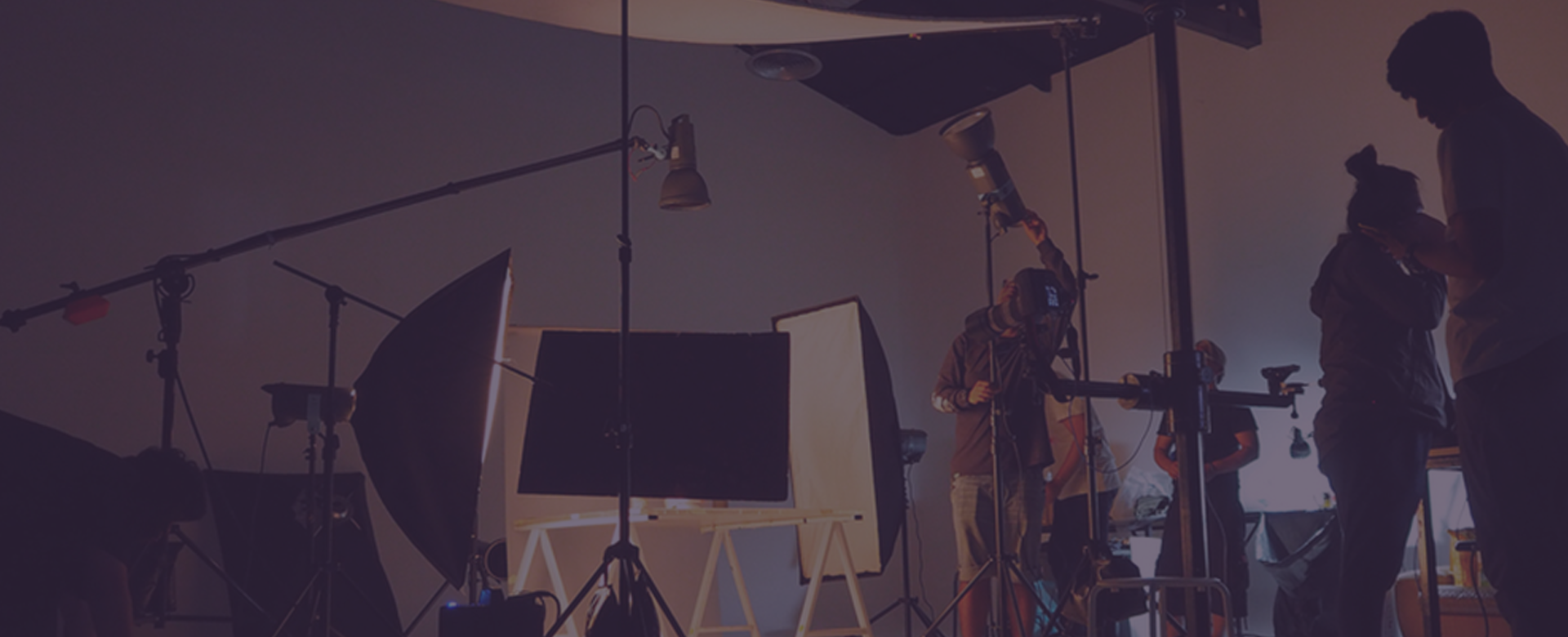

In a production house, sound recording is a crucial part of creating high-quality audio for various types of media, including films, television shows, music albums, advertisements, and more. The process involves a combination of creative, technical, and logistical steps to capture, manipulate, and finalize sound.
Sound recording in a production house refers to the process of capturing and producing audio for film, television, or other media projects. This is a crucial aspect of filmmaking, as it directly affects the quality of the sound experience for the audience. Sound recording typically takes place in various phases during the production of a motion picture.
Sound recording typically involves multiple phases, from pre-production through post-production.Planning the types of sounds that will be required, including dialogue, sound effects, ambient noises, and music.
Key Aspects of Sound Recording in a Production House:
Planning: Before recording, a detailed plan is made. This includes determining what sounds need to be captured (dialogue, music, sound effects, ambiance, etc.), selecting recording locations, and deciding on the type of microphones and equipment to use.
Sound Design: For film, TV, or video games, sound designers may begin working on the creative elements of sound—how to convey mood, atmosphere, and the narrative with sound.
Studio Setup: Production houses will typically have soundproofed recording studios designed to minimize external noise and provide the best acoustics for clean sound recording.
Microphones: Different microphones are used for different purposes. For instance, condenser microphones are often used for vocals, while shotgun microphones are commonly used in film production for capturing dialogue.
Sound Isolation: Studios may have soundproof rooms or isolation booths to record clean sound without interference from background noise.
Recording Console/Audio Interface: Audio interfaces or mixing consoles are used to connect microphones and instruments to the digital audio workstation (DAW), where the recording is captured and manipulated.
Monitors and Headphones: Engineers and producers use high-quality studio monitors and headphones to listen to and evaluate the sound in real-time.
Voice Recording: In film and television, dialogue is recorded either on location (location sound recording) or in the studio (ADR - Automated Dialogue Replacement). In music, instruments and vocals are recorded in tracks that can later be mixed together.
Multi-Track Recording: In music production, different instruments or vocals are often recorded on separate tracks. This allows for detailed editing, effects processing, and mixing after recording.
Sound Effects (Foley): For film and television, sound effects are often recreated in a studio (called Foley) to add realism to the visuals. These sounds include footsteps, doors creaking, or objects breaking.
Location Recording: In some cases, sound is recorded on-location (such as for natural environmental sounds in a documentary or outdoor scene), requiring portable recording equipment.
Editing: After the recording, the audio files are imported into a DAW (like Pro Tools, Adobe Audition, or Logic Pro) for editing. Engineers and editors will remove any unwanted noise, cut and trim sections, and arrange the sound elements.
Mixing: During the mixing stage, different elements (dialogue, sound effects, music) are combined, and volume levels are adjusted to create a balanced final mix. Audio engineers also add effects like reverb, equalization, and compression to enhance the sound.
Mastering: The final step in post-production is mastering. This process ensures that the audio sounds consistent across different platforms and media types. Mastering may involve fine-tuning the levels, EQ, and adding final effects to ensure the best sound quality.
Sound Engineer: The person responsible for the technical aspects of sound recording, such as operating microphones, audio interfaces, and recording equipment.
Sound Designer: The creative professional responsible for designing and creating sounds that support the production's artistic vision.
Mixing Engineer: This role involves mixing the multiple recorded tracks into a cohesive audio piece, ensuring that all elements (music, dialogue, sound effects) work well together.
Foley Artist: An artist who recreates specific sound effects in the studio, mimicking real-life sounds to add depth and realism to the production.
Producer: Oversees the entire sound recording process, guiding the overall direction of the project and ensuring that the final product meets the client's expectations.
Film & TV: Capturing dialogue, sound effects, and music for movies and shows. Post-production sound is essential for enhancing the visual elements.
Music Production: Recording music for albums, singles, or jingles. Production houses often provide services like recording, mixing, and mastering for musicians.
Podcasts & Audiobooks: Many production houses offer sound recording services for podcasters or audiobook narrators, providing a professional setting for clear and high-quality recordings.
Advertising: Commercials and advertisements often require specialized sound design and recording, with voiceovers, sound effects, and background music.
Digital Audio Workstations (DAWs): Modern production houses rely heavily on DAWs for recording and editing. Popular DAWs include Pro Tools, Logic Pro, and Ableton Live.
Surround Sound: For film and TV production, multi-channel audio systems (like 5.1 or 7.1 surround sound) may be used to create an immersive experience for the audience.
Auto-Tuning & Pitch Correction: In music, software tools like Auto-Tune are sometimes used to correct pitch in vocals or instruments, or to create specific effects.
Ambient Noise: Minimizing external noise during recording can be difficult, particularly when recording in uncontrolled environments.
Synchronization: Ensuring that sound and visual elements (like dialogue) are perfectly synchronized can be a technical challenge, especially in film and TV.
Creative Vision vs. Technical Limitations: Sometimes, what the director or producer envisions for the sound design may be difficult to achieve due to technical limitations or time constraints.
© 2024 A.R. & S.S.PRODUCTION HOUSE. All rights reserved. Developed By Genoviq Web