
A motion picture, also known as a film or movie, is a series of still images shown in rapid succession to create the illusion of movement. This process, called "persistence of vision," relies on the brain's ability to merge the frames into a continuous visual experience. Motion pictures can be used for entertainment, education, art, or communication and are often produced for viewing in theaters, on television, or via digital platforms.
Motion pictures can be made using various methods, including:
Traditional film: This involves capturing images on photographic film, which is then developed and projected onto a screen.
Digital film: With advancements in technology, many motion pictures are now captured and projected digitally, using high-definition cameras and digital projectors.
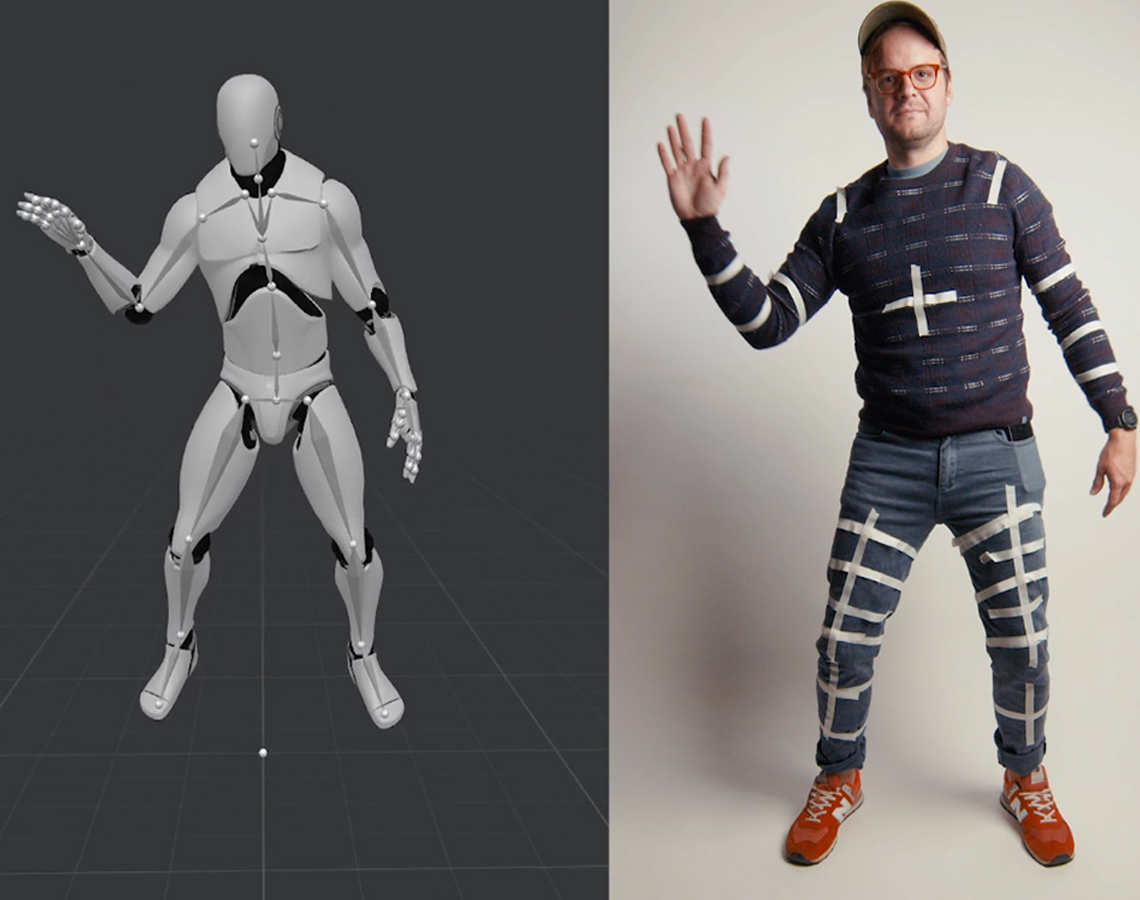
Animation: Motion pictures can also be created by sequencing hand-drawn images, 3D models, or computer-generated graphics to simulate movement (such as in animated films).
A "motion picture service" can refer to several things, depending on the context. It could mean:
Film Distribution Services: Companies or platforms that distribute films to theaters, streaming services, or other media outlets. These services help films reach audien
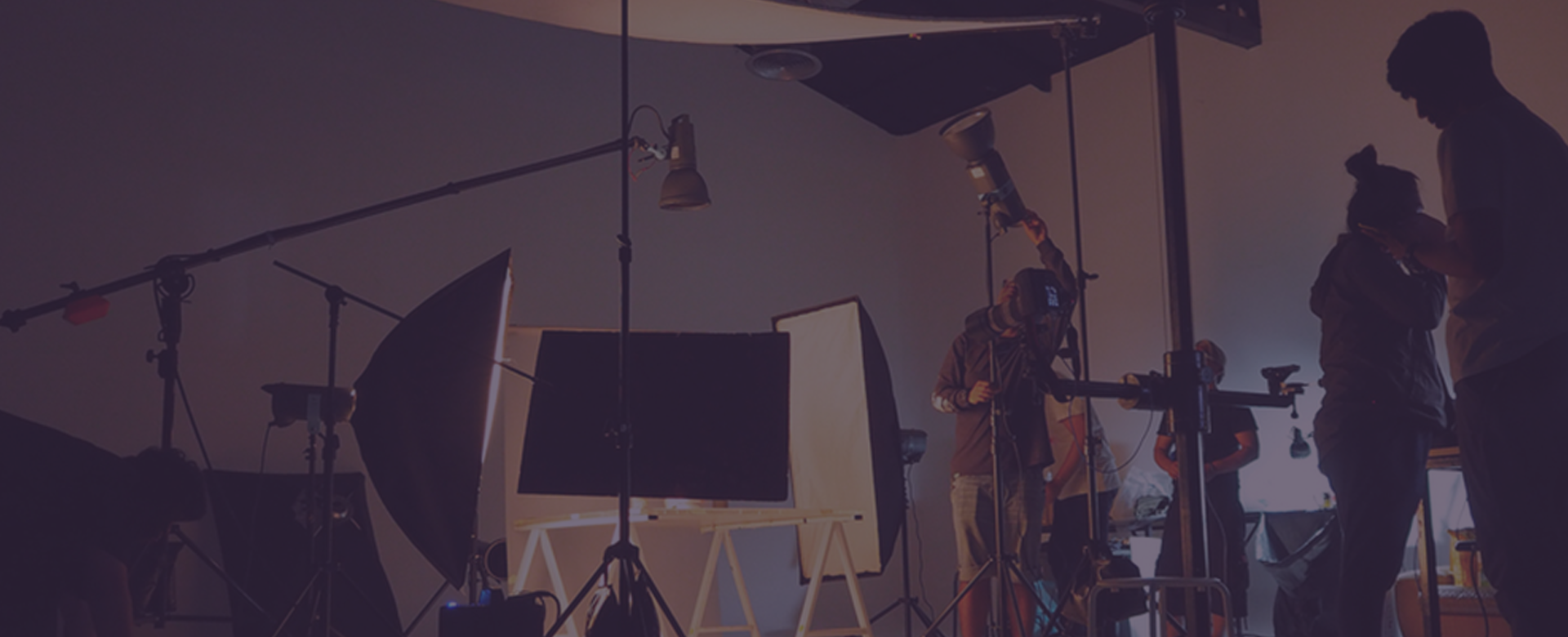
Filmmaking and Production Services: These are companies or individuals that provide technical and creative services for the production of motion pictures. They may offer services such as:
Cinematography: Capturing the visual elements of a film.
Sound Design: Creating sound effects, music, and dialogue editing.
Editing: Post-production work that involves piecing together the film.
VFX (Visual Effects): Special effects that are created digitally.
Film Rentals or Streaming Services: Services where individuals can rent or stream movies, such as Redbox, Amazon Video, Apple TV, and various online movie rental platforms.
Film Archive or Preservation Services: Companies or organizations dedicated to preserving and restoring old films for future generations, ensuring that they remain accessible and in good condition.
Choosing motion pictures (or movies) as a medium for storytelling, entertainment, or communication comes with several benefits:
Motion pictures use visual storytelling, which can quickly and effectively capture attention and convey emotions, themes, and ideas. The combination of moving images, colors, and special effects creates a powerful sensory experience.
Movies are a highly engaging form of entertainment, offering an immersive experience that appeals to a wide audience. The ability to tell stories in a visual format, supported by sound, music, and acting, draws people into different worlds and situations.
Films are capable of evoking deep emotional responses from viewers. Through compelling narratives, acting, and music, movies can make people laugh, cry, or feel excited, creating a strong emotional bond with the audience.
Motion pictures have a profound impact on society and culture. They can shape perceptions, spread ideas, and influence trends. Hollywood, for instance, has a long history of creating movies that not only entertain but also reflect or challenge cultural norms.
Movies can be enjoyed by people across different languages and cultures due to their universal appeal. Even with language barriers, non-verbal elements like visuals and body language help convey messages, making motion pictures a global form of communication.
For filmmakers, movies are a canvas for creativity. Directors, writers, actors, and designers can explore new ideas, experiment with storytelling techniques, and express themselves in ways that are unique to the medium.
Motion pictures can tell complex, multi-layered stories through a combination of narrative elements, including dialogue, setting, character development, and pacing. The combination of these aspects allows for deep and intricate storytelling.
The film industry is a massive global business, creating jobs in areas like acting, directing, writing, cinematography, special effects, and distribution. It generates billions of dollars in revenue and has a significant economic footprint.
Movies are also an important way to document and reflect historical events, societal issues, and cultural movements. Films like documentaries provide audiences with insights into real-world subjects, raising awareness and fostering conversation.
Motion pictures often push the boundaries of technology. Advances in cinematography, special effects (e.g., CGI), and sound design have all contributed to the evolution of cinema, leading to visually stunning films that were previously unimaginable.
© 2024 A.R. & S.S.PRODUCTION HOUSE. All rights reserved. Developed By Genoviq Web